
Staying active after 60 can help older adults work on strength, balance, mobility, and overall physical fitness. However, traditional workouts aren’t always comfortable or convenient for everyone.
A vibration plate can be one option to include in a home fitness routine. When used appropriately, it can complement exercises such as squats, calf raises, and other simple movements.
For seniors, the goal shouldn’t be to use the highest vibration setting or perform difficult exercises. Instead, beginners should focus on safe positioning, controlled movements, and gradual progression.
This guide explains how seniors over 60 can get started with vibration plate exercises, which exercises to try, and important safety considerations.
What Is a Vibration Plate?
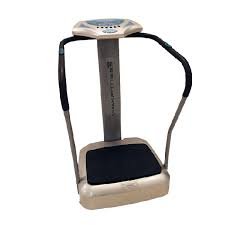
A vibration plate is a fitness platform that produces rapid vibrations while you stand or exercise on it.
Depending on the model, users may be able to adjust:
- Vibration speed or frequency
- Intensity
- Workout duration
- Program settings
Vibration platforms are sometimes used as part of exercise routines that include lower-body and full-body movements.
However, a vibration plate should be viewed as one part of a broader fitness routine, rather than a replacement for walking, strength training, balance exercises, or other physical activity.
Can Seniors Over 60 Use a Vibration Plate?
Many older adults may be able to use a vibration plate, but suitability depends on the individual’s health, fitness level, balance, and the specific equipment.
Beginners should start conservatively and follow the manufacturer’s instructions.
If you have a medical condition, recent injury, significant balance problems, or are unsure whether vibration training is appropriate for you, speak with a healthcare professional before starting.
Potential Benefits of Vibration Plate Exercise for Seniors
Vibration training may be useful as an addition to a regular exercise program.
Depending on how it is used, it can provide an opportunity to:
- Add variety to a home workout
- Challenge the muscles during certain exercises
- Practice controlled lower-body movements
- Support an active lifestyle
- Combine vibration with simple bodyweight exercises
Research on whole-body vibration in older adults has investigated areas such as muscle strength, balance, and physical function, but results vary depending on the population, equipment, and training program.
For this reason, vibration training should be considered a complement to regular physical activity, rather than a replacement for conventional exercise.
Before Using a Vibration Plate
Before beginning, take a few basic precautions.
Read the Manual
Different vibration plates have different controls, vibration settings, weight limits, and recommended uses.
Always follow the instructions for your particular machine.
Start at a Low Setting
Beginners shouldn’t start with the highest intensity.
Use a comfortable setting and gradually become familiar with the sensation.
Wear Supportive Shoes
Wear comfortable athletic shoes that provide stability.
Avoid using the machine barefoot if the manufacturer recommends footwear.
Keep the Area Clear
Place the vibration plate on a stable surface with enough space around it.
Have Support Nearby
If you’re concerned about balance, position the vibration plate near a sturdy support such as a countertop or stable handrail.
Don’t use an unstable chair or table for support.
8 Beginner Vibration Plate Exercises for Seniors
Here are eight simple movements seniors over 60 can consider when beginning vibration plate training.
1. Basic Standing
The simplest starting point is simply standing on the platform.
How to do it:
- Step onto the vibration plate carefully.
- Place your feet approximately hip-width apart.
- Keep your knees slightly bent.
- Maintain an upright posture.
- Hold a stable support if needed.
- Begin with a short session at a low setting.
Don’t lock your knees.
Why start here?
It allows beginners to become familiar with the vibration before adding more challenging movements.
2. Gentle Squats
Once basic standing feels comfortable, you can try shallow squats.
How to do them:
- Stand on the platform with your feet comfortable and stable.
- Keep your chest lifted.
- Bend your knees slightly.
- Move your hips backward.
- Lower only as far as comfortable.
- Return to standing.
Beginner tip
Use a shallow range of motion rather than trying to perform a deep squat.
If your balance is limited, use stable support.
3. Calf Raises
Calf raises are a simple lower-body movement.
How to do them:
- Stand on the platform.
- Hold a stable support if necessary.
- Slowly raise your heels.
- Pause briefly.
- Lower your heels.
- Repeat.
Keep the movement controlled.
Avoid bouncing.
4. Supported Mini Squats
If regular squats feel difficult, use a smaller movement.
How to do them:
- Stand comfortably on the platform.
- Hold a stable support.
- Slightly bend your knees.
- Lower your body a small amount.
- Return to standing.
This can be a useful beginner variation.
The goal is controlled movement, not maximum depth.
5. Supported Side Leg Raises
Side leg raises can work the muscles around the hips.
How to do them:
- Stand on or beside the platform according to the manufacturer’s instructions.
- Hold a stable support.
- Keep your body upright.
- Slowly move one leg to the side.
- Return it to the starting position.
- Repeat on the other side.
Avoid swinging the leg.
Keep the movement slow and controlled.
6. Supported Calf Raise Hold
If you’re already comfortable with regular calf raises, you can try holding the raised position briefly.
How to do it:
- Stand comfortably on the platform.
- Hold stable support.
- Raise your heels.
- Hold for a short period.
- Slowly lower your heels.
Start with a short hold.
If you feel unstable, return to regular calf raises.
7. Gentle Weight Shifts
Weight shifts can help you practice controlled movement while standing.
How to do them:
- Stand with your feet comfortably apart.
- Hold a stable support if needed.
- Slowly shift some weight toward one side.
- Return to the center.
- Shift toward the other side.
Don’t lean excessively.
This exercise should feel controlled rather than challenging.
8. Seated Exercise With the Vibration Plate
Some vibration platforms are designed to allow seated exercises, but this depends on the specific equipment and manufacturer’s instructions.
If your model permits seated use, you may be able to perform simple movements such as seated marching while using the platform according to the manufacturer’s recommended setup.
Always check the user manual before placing a chair or using the machine in a seated position.
Beginner Vibration Plate Workout for Seniors
If you’re new to vibration training, keep your first sessions simple.
Warm-Up
3–5 minutes of gentle movement such as:
- Walking
- Shoulder rolls
- Seated marching
- Ankle circles
Vibration Plate Routine
Basic standing:
Short beginner interval
Mini squats:
5–8 repetitions
Calf raises:
8–10 repetitions
Weight shifts:
5–8 per side
Side leg raises:
5–8 per leg
Rest between exercises.
The exact duration and settings should follow your machine’s instructions and your comfort level.
How Long Should Seniors Use a Vibration Plate?
There isn’t one universal duration that is appropriate for every senior or every vibration plate.
For beginners, shorter sessions can be a practical way to become familiar with the equipment.
Rather than trying to stay on the platform for a long period, focus on:
- Proper positioning
- Controlled movements
- Comfortable intensity
- Gradual progression
Follow the manufacturer’s recommended session duration and settings.
If you’re new to exercise generally, start with a small amount of activity and gradually increase.
How Often Should Seniors Use a Vibration Plate?
Frequency depends on the equipment, exercise program, and individual fitness level.
A vibration plate shouldn’t be the only form of physical activity in your week.
A balanced routine could include:
2 days: Strength training
3–5 days: Walking or aerobic activity
Several days: Mobility exercises
Balance exercises: Regularly, as appropriate
Vibration training can potentially be incorporated into some of these sessions.
The CDC recommends that adults 65 and older include muscle-strengthening activities at least two days per week, along with aerobic and balance activities.
Vibration Plate vs. Traditional Strength Training
A vibration plate and traditional resistance exercises are not exactly the same.
Traditional Strength Training
Examples include:
- Dumbbells
- Resistance bands
- Weight machines
- Bodyweight exercises
These exercises directly provide resistance against muscle contraction.
Vibration Training
A vibration platform adds mechanical vibration while you stand or exercise on the platform.
Some people use it alongside conventional exercises.
For seniors, a balanced program can include both traditional strength exercises and other forms of physical activity rather than relying on vibration alone.
Can Vibration Plates Help With Balance?
Balance is an important part of senior fitness.
Some research has examined whole-body vibration as a possible addition to exercise programs for older adults, including research involving balance and physical function.
However, vibration training should not be considered a guaranteed solution for balance problems.
If you’re concerned about falling, use appropriate support and consider working with a qualified professional.
Vibration Plate Exercises for Seniors With Weak Legs
If you have weak legs, start with simple movements.
Good options to discuss with a qualified professional include:
- Basic standing
- Supported mini squats
- Calf raises
- Seated exercises where permitted
- Gentle weight shifts
Avoid jumping, deep squats, or advanced movements when you’re just starting.
The objective is to gradually build confidence and tolerance.
Common Mistakes Seniors Should Avoid
Starting at Maximum Intensity
Higher intensity isn’t automatically better.
Start conservatively.
Locking Your Knees
Keep your knees comfortably soft during standing exercises.
Exercising Without Support
If your balance is limited, have stable support nearby.
Using an Unstable Chair
Never rely on a rolling or unstable chair for balance.
Staying on the Machine Too Long
Follow the manufacturer’s recommended duration.
Adding Too Many Exercises at Once
Begin with a few basic movements and progress gradually.
Ignoring Discomfort
Stop if an exercise causes unusual pain, dizziness, or makes you feel unwell.
Safety Tips for Seniors Using a Vibration Plate
Safety is especially important for older adults.
Check Your Equipment
Make sure the platform is stable and functioning correctly.
Follow the Manufacturer’s Instructions
Every vibration plate is different.
Start Slowly
Use a beginner-friendly setting.
Hold Stable Support
Use a secure handrail or other stable support if necessary.
Maintain Good Posture
Keep your body controlled and avoid excessive movements.
Take Breaks
Allow yourself enough recovery time.
Don’t Exercise Through Unusual Symptoms
Stop the session if you experience unusual pain, dizziness, chest discomfort, or feel unwell.
If you have a medical condition, recent surgery or injury, significant balance problems, or concerns about vibration exposure, consult a healthcare professional before using a vibration plate.
Who Should Ask a Healthcare Professional First?
Not everyone should begin vibration training without professional guidance.
Talk with a healthcare professional if you:
- Have a significant medical condition
- Have recently had surgery
- Have a recent injury
- Have significant balance problems
- Experience unexplained weakness
- Have concerns about falls
- Are unsure whether vibration training is appropriate for you
A healthcare professional can help determine what type and level of exercise is appropriate.
How to Progress Your Vibration Plate Routine
Once you’re comfortable with beginner exercises, progression should be gradual.
You can consider:
Increasing Exercise Duration
Add a small amount of time rather than making a large jump.
Adding Repetitions
Increase repetitions gradually.
Adding Resistance Exercises
For example, incorporate appropriate resistance-band or bodyweight exercises.
Improving Movement Control
Focus on better technique rather than simply increasing intensity.
Combining With Walking
Walking can complement strength and vibration exercises.
Sample Weekly Routine for Seniors Over 60
Here’s an example of how vibration training could fit into a balanced fitness routine.
| Day | Activity |
|---|---|
| Monday | Strength + vibration plate |
| Tuesday | Walking |
| Wednesday | Balance + mobility |
| Thursday | Strength training |
| Friday | Walking + light vibration training |
| Saturday | Light recreational activity |
| Sunday | Rest |
This is only a general example. Your actual routine should be based on your fitness level, equipment instructions, and individual needs.
Frequently Asked Questions
Is a vibration plate safe for seniors over 60?
Some seniors may be able to use vibration plates safely, but suitability depends on individual health, balance, fitness level, and the specific machine. Follow the manufacturer’s instructions and seek professional advice if you’re unsure.
What is the best vibration plate exercise for beginners?
Basic standing is a simple place to start because it allows you to become familiar with the vibration before adding exercises such as mini squats or calf raises.
How long should a 60-year-old use a vibration plate?
There isn’t a single duration suitable for everyone. Beginners should start conservatively and follow the manufacturer’s recommended settings and session duration.
Can seniors use a vibration plate every day?
The appropriate frequency depends on the equipment, intensity, and overall exercise routine. Seniors should avoid treating vibration training as a replacement for a balanced weekly fitness program.
Can vibration plates build muscle after 60?
Vibration training may challenge muscles, but conventional resistance training remains an important component of strength development. Seniors interested in building strength should include appropriate resistance exercises as part of their routine.
Can vibration plates help weak legs?
Vibration training can be incorporated into a broader exercise program, but seniors with significant leg weakness should first determine the cause of the weakness and consider professional guidance.
Can seniors use a vibration plate for weight loss?
A vibration plate should not be viewed as a standalone weight-loss solution. Sustainable weight management generally involves overall physical activity, nutrition, and lifestyle habits.
Can you use a vibration plate while sitting?
This depends entirely on the design and manufacturer’s instructions. Never place a chair on the platform unless the manufacturer specifically states that the equipment is designed and approved for that type of use.
Final Thoughts
Vibration plate training can be an interesting addition to a senior’s home fitness routine, especially for people who want to combine simple movements with vibration.
For adults over 60, the focus should be on safety, stability, controlled movement, and gradual progression.
Start with basic standing, then consider beginner movements such as mini squats, calf raises, weight shifts, and supported leg raises if they are appropriate for you.
Most importantly, don’t rely on vibration training alone.
Combine it with walking, conventional strength exercises, balance activities, and mobility work to create a more complete fitness routine.
If you’re new to vibration training or have health or balance concerns, speak with a healthcare professional before getting started.