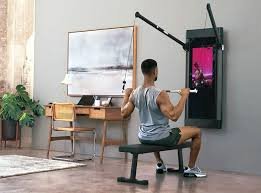

Building muscle doesn’t require high-impact workouts, heavy jumping, or intense gym sessions. For many seniors, low-impact exercise can be an effective and practical way to work on muscle strength while being easier on the joints.
As people age, maintaining muscle becomes increasingly important for everyday activities such as walking, climbing stairs, getting out of a chair, and carrying groceries.
The good news is that seniors can still improve muscle strength with appropriately challenging exercises, even when avoiding high-impact movements.
This guide explains how low-impact exercise can support muscle development after 60, which exercises seniors can try, how often to train, and how to safely progress.
What Is Low-Impact Exercise?
Low-impact exercise refers to activities that reduce the amount of impact placed on the joints.
Examples include:
- Walking
- Cycling
- Swimming
- Water aerobics
- Chair exercises
- Resistance-band exercises
- Bodyweight strength exercises
- Controlled strength training
- Certain vibration plate exercises
Low-impact doesn’t mean “easy.”
A low-impact exercise can still challenge your muscles and cardiovascular system.
For example, a controlled squat doesn’t involve jumping, but it can still require significant effort from the legs and hips.
Can Seniors Build Muscle With Low-Impact Exercise?
Yes.
Muscles respond to resistance and progressively increasing challenges, not simply to high-impact movements.
Seniors can work on muscle strength using:
- Bodyweight exercises
- Resistance bands
- Light dumbbells
- Weight machines
- Controlled squats
- Sit-to-stands
- Leg exercises
- Upper-body resistance exercises
The CDC recommends that adults aged 65 and older perform muscle-strengthening activities at least two days per week.
The key is to provide enough resistance to challenge the muscles while maintaining safe and controlled technique.
Why Low-Impact Exercise Can Be Useful for Seniors
Low-impact exercise can make it easier for some older adults to stay physically active.
Less Impact on the Joints
Exercises that don’t involve jumping or running can be more comfortable for people who prefer lower-impact activities.
Easier to Modify
Many low-impact exercises can be performed:
- Sitting
- Standing
- With a chair
- With support
- Using lighter resistance
Suitable for Home Workouts
Many exercises require little or no equipment.
Easier to Combine With Other Activities
A senior can combine strength exercises with walking, balance work, and mobility exercises.
Low-Impact Exercise vs. High-Impact Exercise
The main difference is the amount of impact involved.
| Low-Impact | High-Impact |
|---|---|
| Walking | Running |
| Cycling | Jumping |
| Swimming | Plyometrics |
| Chair exercises | Jump squats |
| Resistance bands | Box jumps |
| Controlled squats | Jumping lunges |
High-impact exercise isn’t automatically bad, and some seniors may safely participate in higher-impact activities.
However, low-impact exercise can be a practical starting point for people who prefer to reduce impact or need exercises that are easier to modify.
10 Low-Impact Exercises for Seniors to Build Strength
1. Sit-to-Stand
Sit-to-stands are one of the most useful beginner exercises for seniors.
How to do it:
- Sit on a sturdy chair.
- Place your feet flat on the floor.
- Lean slightly forward.
- Push through your feet.
- Stand up.
- Slowly sit back down.
Start with 5–10 repetitions.
As the exercise becomes easier, you can gradually increase repetitions or use an appropriate resistance variation.
2. Chair Squats
Chair squats allow seniors to practice a squat while using a chair as a target or support.
How to do them:
- Stand in front of a sturdy chair.
- Place your feet comfortably apart.
- Move your hips backward.
- Bend your knees.
- Lower toward the chair.
- Push through your feet to stand.
Don’t force yourself to squat deeply.
Use a comfortable range of motion.
3. Wall Push-Ups
Wall push-ups provide a low-impact way to work the upper body.
How to do them:
- Stand facing a wall.
- Place your hands on the wall.
- Step backward slightly.
- Bend your elbows.
- Bring your chest toward the wall.
- Push yourself back.
Keep the movement controlled.
4. Resistance-Band Rows
Resistance bands are useful for low-impact strength training.
How to do them:
- Sit or stand comfortably.
- Hold the resistance band.
- Pull your hands toward your body.
- Squeeze your shoulder blades gently.
- Slowly return to the starting position.
Make sure the resistance band is securely anchored according to its instructions.
5. Seated Leg Extensions
This is a simple way to work the front of the thighs.
How to do them:
- Sit upright in a sturdy chair.
- Straighten one leg.
- Pause briefly.
- Slowly lower it.
- Repeat on the other side.
Avoid swinging your leg.
6. Calf Raises
Calf raises can be performed while holding a sturdy chair.
How to do them:
- Stand behind the chair.
- Hold the chair if needed.
- Raise your heels.
- Pause briefly.
- Slowly lower them.
As your strength improves, you can gradually increase repetitions.
7. Supported Side Leg Raises
Side leg raises work the muscles around the hips.
How to do them:
- Stand behind a sturdy chair.
- Hold the chair.
- Keep your body upright.
- Move one leg slowly to the side.
- Return it to the starting position.
- Switch sides.
Avoid leaning or swinging.
8. Seated Biceps Curls
Biceps curls can be performed while sitting.
Use light weights or another appropriate form of resistance.
How to do them:
- Sit upright.
- Hold a light weight.
- Keep your elbow near your side.
- Bend your elbow.
- Bring your hand toward your shoulder.
- Slowly lower the weight.
9. Standing Hip Extensions
This movement can challenge the muscles around the hips.
How to do them:
- Stand behind a sturdy chair.
- Hold the chair for support.
- Move one leg backward.
- Keep your torso upright.
- Return the leg to the starting position.
- Switch sides.
Use a small range of motion and avoid arching your lower back.
10. Vibration Plate Exercises
Vibration plates can be incorporated into a low-impact home fitness routine.
Depending on the equipment and the user’s abilities, exercises may include:
- Basic standing
- Supported mini squats
- Calf raises
- Gentle weight shifts
- Supported leg exercises
Vibration training should be considered a supplement to regular exercise, rather than a replacement for conventional strength training.
Always follow the manufacturer’s instructions.
How Often Should Seniors Do Low-Impact Strength Exercises?
For adults 65 and older, the CDC recommends muscle-strengthening activities at least two days per week.
A beginner could start with two strength sessions per week.
For example:
Monday: Strength workout
Tuesday: Walking
Wednesday: Mobility and balance
Thursday: Strength workout
Friday: Walking
Saturday: Light activity
Sunday: Rest
This schedule can be modified according to individual needs and fitness level.
How Many Repetitions Should Seniors Do?
There isn’t one number that works for every person.
A beginner can start with:
- 5–10 repetitions
- One set
- Comfortable rest periods
As strength improves, gradually increase the challenge.
The CDC notes that 8–12 repetitions can count as one set of a muscle-strengthening exercise.
The appropriate amount depends on the exercise, resistance, and individual’s fitness level.
Can You Build Muscle Without Heavy Weights?
Yes.
Heavy weights are not the only way to challenge muscles.
Seniors can use:
- Bodyweight
- Resistance bands
- Light dumbbells
- Machines
- Controlled movements
- Gradually increasing resistance
The important factor is that the muscles receive an appropriate challenge.
If an exercise becomes very easy, you can gradually increase repetitions, resistance, or exercise difficulty.
How to Progress With Low-Impact Exercise
Low-impact doesn’t mean you should stay at the same difficulty forever.
As you become stronger, consider progressing gradually.
Increase Repetitions
For example:
8 → 10 → 12 repetitions
Add Another Set
Once one set becomes manageable, consider adding another.
Increase Resistance
Move to a slightly stronger resistance band or heavier weight when appropriate.
Improve Range of Motion
Gradually perform movements through a comfortable, larger range of motion.
Try a More Challenging Variation
For example:
Chair squat → Bodyweight squat → Supported squat variation
Progress slowly rather than making several changes at once.
Can Seniors Build Muscle After 60?
Yes.
Age does not mean that strength training becomes useless.
Older adults can improve strength and physical function through appropriate resistance training.
However, progress can vary considerably from person to person.
Factors such as:
- Current fitness level
- Training consistency
- Nutrition
- Recovery
- Sleep
- Health conditions
- Exercise selection
can all influence results.
The goal for many seniors should be to maintain and improve functional strength, rather than focusing only on muscle size.
What About Protein?
Exercise is only one part of maintaining muscle.
Adequate nutrition is also important.
Protein-rich foods include:
- Eggs
- Fish
- Chicken
- Greek yogurt
- Milk
- Beans
- Lentils
- Tofu
- Nuts and seeds
Protein requirements can vary depending on age, body size, activity level, and health status.
Seniors with kidney disease or other medical conditions should speak with a healthcare professional or registered dietitian before significantly increasing protein intake.
Low-Impact Exercise for Seniors With Joint Concerns
If certain movements are uncomfortable, choose an easier variation.
For example:
Instead of deep squats:
Try chair squats or sit-to-stands.
Instead of running:
Try walking or cycling.
Instead of floor exercises:
Try seated exercises.
Instead of jumping:
Use controlled strength movements.
The objective is to find exercises that challenge the body without creating unnecessary discomfort.
How to Combine Strength, Cardio, and Balance
A complete senior fitness routine shouldn’t focus exclusively on muscle.
Try combining:
Strength
2 or more days per week.
Aerobic Activity
Walking, cycling, swimming, or another activity you enjoy.
Balance
Include appropriate balance exercises regularly.
Mobility
Add gentle movement and flexibility work.
The CDC recommends combining these different types of physical activity for adults 65 and older.
Safety Tips for Low-Impact Exercise
Low-impact exercise is generally easier to modify, but safety remains important.
Start Slowly
Don’t try to complete an advanced workout immediately.
Use Stable Equipment
Use a sturdy chair rather than a rolling chair.
Focus on Technique
Controlled movements are more important than speed.
Take Breaks
Rest when necessary.
Increase Difficulty Gradually
Give your body time to adapt.
Stop if You Feel Unwell
Stop exercising if you experience unusual pain, dizziness, chest discomfort, or feel unwell.
If you have a chronic health condition, recent injury, significant balance problems, or have been inactive for an extended period, consult a healthcare professional before starting a new exercise program.
Sample 20-Minute Low-Impact Strength Workout
Here’s a simple beginner routine.
Warm-Up – 5 Minutes
- Gentle walking
- Shoulder rolls
- Seated marching
- Ankle circles
Strength – 10 Minutes
Sit-to-stands:
8 repetitions
Wall push-ups:
8 repetitions
Seated leg extensions:
8 per leg
Calf raises:
10 repetitions
Resistance-band rows:
8 repetitions
Rest between exercises as needed.
Cooldown – 5 Minutes
Finish with gentle walking and comfortable mobility movements.
Frequently Asked Questions
Can seniors build muscle with low-impact exercise?
Yes. Low-impact resistance exercises can challenge muscles and support improvements in strength. Seniors can use bodyweight, resistance bands, weights, and other appropriate resistance.
Is low-impact exercise good for seniors?
Low-impact exercise can be a practical option for many older adults because it is easy to modify and doesn’t require jumping or running.
What is the best low-impact exercise for building muscle?
There isn’t one best exercise. Sit-to-stands, chair squats, resistance-band exercises, wall push-ups, calf raises, and other resistance exercises can all be useful.
Can seniors build muscle without going to the gym?
Yes. Seniors can perform effective strength exercises at home using bodyweight, resistance bands, light weights, and other appropriate equipment.
How many days a week should seniors strength train?
The CDC recommends muscle-strengthening activities at least two days per week for adults 65 and older.
Can vibration plates help with muscle training?
Vibration plates can be incorporated into a broader exercise routine, but they should not automatically replace conventional resistance training.
Is walking enough to build muscle?
Walking is excellent for staying active and improving aerobic fitness, but it may not provide enough resistance to significantly challenge all major muscle groups. Adding strength exercises can provide a more complete routine.
Final Thoughts
Yes, seniors can work on muscle strength with low-impact exercise.
The key is to use exercises that provide an appropriate challenge while remaining comfortable and controllable.
Simple movements such as sit-to-stands, chair squats, wall push-ups, calf raises, resistance-band exercises, and seated leg exercises can provide a strong foundation for a senior-friendly strength routine.
You don’t need to jump, run, or lift extremely heavy weights to become stronger.
Start where you are, progress gradually, and combine strength exercises with walking, balance training, and mobility work.
For seniors interested in home fitness equipment, a vibration plate can also be considered as an additional tool—but it should complement, rather than replace, a well-rounded exercise program.
Most importantly, consistency matters more than intensity.
A manageable low-impact workout performed regularly can be a valuable part of staying strong, active, and independent after 60.