
Regular exercise is one of the best ways for seniors to stay active, strong, and independent. However, exercising incorrectly or doing too much too quickly can make workouts less effective and may increase the risk of injury.
The good news is that most common exercise mistakes are easy to avoid.
For adults aged 65 and older, the CDC recommends a combination of aerobic activity, muscle-strengthening activities, and balance exercises as part of a healthy weekly routine.
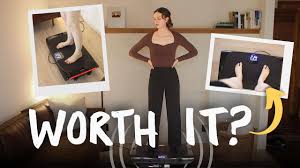
Whether you’re exercising at home, walking outdoors, using resistance bands, or training with a vibration plate, focusing on proper technique and gradual progression is important.
Here are 7 common exercise mistakes seniors should avoid.
1. Doing Too Much Too Soon
One of the most common mistakes is starting with an exercise routine that is too difficult.
If you’ve been inactive for a while, suddenly doing long workouts or high-intensity exercises can leave you extremely tired and make it harder to stay consistent.
Why It’s a Problem
Your muscles, joints, and cardiovascular system need time to adapt to increased activity.
Starting too aggressively may also lead to excessive soreness or injury.
What to Do Instead
Start with manageable workouts.
For example:
- 10-minute walks
- 5–10 sit-to-stands
- Gentle mobility exercises
- Light resistance-band exercises
As your fitness improves, gradually increase the duration or difficulty.
Remember: Progress doesn’t have to happen overnight.
2. Skipping the Warm-Up
Some seniors start exercising immediately without preparing their bodies for movement.
A warm-up doesn’t have to take long.
Try a 5-Minute Warm-Up
You could:
- Walk slowly
- March in place
- Roll your shoulders
- Move your arms
- Perform ankle circles
- Gently move your legs
The goal is to gradually prepare your body for the workout.
A Simple Example
1 minute: Walking
1 minute: Shoulder movements
1 minute: Marching
1 minute: Ankle circles
1 minute: Gentle leg movements
Then begin your workout.
3. Ignoring Strength Training
Some seniors focus almost entirely on walking or other cardio exercises.
Walking is an excellent activity, but a complete fitness routine should also include muscle-strengthening exercises.
The CDC recommends that adults aged 65 and older perform muscle-strengthening activities at least two days per week.
Simple Strength Exercises
Try:
- Sit-to-stands
- Chair squats
- Wall push-ups
- Calf raises
- Resistance-band rows
- Light dumbbell exercises
- Seated leg extensions
Start with a level that feels manageable and gradually increase the challenge.
4. Neglecting Balance Exercises
Balance is an important part of senior fitness.
However, many people don’t specifically train balance until they notice that they are becoming less steady.
Simple Balance Exercises
Depending on your ability, try:
Supported single-leg stands
Stand near a sturdy chair or countertop and lift one foot slightly.
Heel-to-toe walking
Walk slowly while placing one foot directly in front of the other.
Weight shifts
Gently shift your weight from one side to the other.
Tai chi
Tai chi can combine controlled movements with balance and coordination.
If you have significant balance problems, perform balance exercises with appropriate support and consider professional guidance.
5. Using Poor Exercise Technique
You don’t have to perform an exercise quickly to make it effective.
Poor form can reduce the effectiveness of an exercise and may increase the chance of discomfort or injury.
For example, during a squat:
❌ Don’t rush through the movement.
❌ Don’t collapse your knees inward.
❌ Don’t use an unstable chair for support.
Instead:
✅ Keep your movements controlled.
✅ Keep your feet stable.
✅ Use a comfortable range of motion.
✅ Keep your posture controlled.
The same principle applies to resistance bands, weights, and other equipment.
Quality is more important than speed.
6. Forgetting to Rest and Recover
Exercise is important, but recovery is also part of a healthy fitness routine.
Some seniors assume that exercising harder and more frequently will always produce better results.
That’s not necessarily true.
Your body needs time to recover after challenging workouts.
Signs You May Need a Recovery Day
You may benefit from a lighter day if you experience:
- Unusual fatigue
- Significant muscle soreness
- Reduced energy
- Poor sleep
- A noticeable drop in exercise performance
A recovery day doesn’t necessarily mean sitting all day.
You can perform:
- Gentle walking
- Mobility exercises
- Light stretching
- Easy household activities
7. Ignoring Pain or Warning Signs
One of the most important exercise mistakes to avoid is simply pushing through symptoms that shouldn’t be ignored.
There’s a difference between normal muscle effort and concerning symptoms.
Normal Exercise Sensations
You may experience:
- Muscles feeling tired
- Mild temporary soreness
- Increased breathing
- Feeling warm
Stop and Seek Appropriate Medical Advice If You Experience
- Chest discomfort
- Severe or unusual shortness of breath
- Dizziness
- Fainting
- Sudden severe pain
- Unusual weakness
- Symptoms that concern you
If something doesn’t feel right, don’t assume you should “push through it.”
If you’re unsure whether a symptom is related to exercise, contact a healthcare professional.
Bonus Mistake: Only Exercising When You Feel Motivated
Another common problem isn’t necessarily a technique mistake—it’s inconsistency.
Many people exercise intensely for a few days and then stop for several weeks.
A better strategy is to create a routine that’s realistic.
For example:
Monday: Strength training
Tuesday: Walking
Wednesday: Mobility
Thursday: Strength training
Friday: Walking
Saturday: Light recreational activity
Sunday: Rest
The CDC recommends at least 150 minutes of moderate aerobic activity per week for adults aged 65 and older, along with strength and balance activities.
If you’re starting from a low activity level, begin with less and gradually work toward your goals.
What About Vibration Plate Exercise?
Vibration plates can be included in some senior home workout routines, but they should be used appropriately.
Beginners may start with simple movements such as:
- Basic standing
- Calf raises
- Mini squats
- Gentle weight shifts
- Supported leg exercises
Avoid These Mistakes
Starting at maximum intensity
Start conservatively.
Locking your knees
Keep your knees comfortably bent.
Using unstable furniture for support
Use a sturdy support when necessary.
Staying on the machine too long
Follow the manufacturer’s recommended duration.
Treating vibration training as your only exercise
Continue to include walking, strength training, balance activities, and other appropriate movement.
If you have a medical condition, recent injury, or significant balance concerns, speak with a healthcare professional before using a vibration plate.
A Simple Way to Exercise More Safely
Before every workout, ask yourself five questions:
1. Am I warmed up?
Spend a few minutes preparing your body.
2. Is this exercise appropriate for my current fitness level?
Don’t jump into advanced exercises.
3. Am I using proper technique?
Slow down if necessary.
4. Do I have enough support?
Especially for balance exercises.
5. Am I listening to my body?
Stop if something feels wrong.
These simple questions can make your workouts more thoughtful and sustainable.
Sample Safe Senior Workout
Here’s a simple home routine for beginners.
Warm-Up — 5 Minutes
- Gentle walking
- Shoulder rolls
- Marching
- Ankle circles
Strength — 10 Minutes
Sit-to-stands: 8 repetitions
Wall push-ups: 8 repetitions
Calf raises: 10 repetitions
Seated leg extensions: 8 per leg
Rest between exercises.
Balance — 5 Minutes
- Supported weight shifts
- Supported single-leg stands
Cooldown — 5 Minutes
- Slow walking
- Gentle mobility exercises
- Comfortable stretching
Adjust the routine according to your fitness level.
Frequently Asked Questions
What is the biggest exercise mistake seniors make?
One of the most common mistakes is doing too much too soon. Starting gradually allows the body time to adapt.
Should seniors exercise every day?
Seniors can include some type of physical activity on most days, but every day doesn’t need to be a hard workout. A balanced routine should include exercise and recovery.
Should seniors lift weights?
Yes. Strength training is an important part of senior fitness, and the CDC recommends muscle-strengthening activities at least two days per week for adults 65 and older.
Is walking enough for seniors?
Walking is excellent aerobic exercise, but a complete fitness routine should also include strength and balance activities.
How can seniors avoid injuries while exercising?
Start gradually, warm up, use proper technique, choose exercises appropriate for your ability, use stable support when necessary, and allow adequate recovery.
Can seniors use vibration plates?
Some seniors may be able to use vibration plates as part of a broader fitness routine. Follow the manufacturer’s instructions and seek professional advice if you have health, balance, or injury concerns.
Final Thoughts
Exercise can help seniors stay active and maintain their physical abilities, but more exercise isn’t always better.
Avoiding common mistakes such as doing too much too soon, skipping warm-ups, neglecting strength and balance training, using poor technique, and ignoring warning signs can help make your fitness routine safer and more sustainable.
Start with exercises you can perform comfortably. Focus on consistency rather than intensity, and gradually increase the challenge as your fitness improves.
Whether you’re walking, performing chair exercises, using resistance bands, strength training, or exercising on a vibration plate, the goal is the same: create a routine that you can perform safely and consistently.
Start slowly. Exercise smart. Listen to your body. Keep moving.