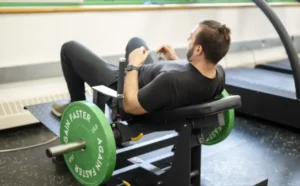

Not everyone enjoys going to the gym—and that’s perfectly okay.
For seniors, staying active doesn’t require expensive gym memberships, complicated equipment, or long workouts. Many effective exercises can be performed at home, indoors, and at your own pace.
Whether you prefer exercising in the living room, walking around the house, or using simple home fitness equipment, there are plenty of ways to stay active without stepping into a gym.
Regular physical activity can help older adults work on strength, balance, endurance, mobility, and overall physical fitness. The CDC recommends that adults aged 65 and older include aerobic activity, muscle-strengthening activities at least two days per week, and balance activities in their weekly routine.
This guide covers some of the best indoor exercises for seniors who prefer working out at home.
Why Exercise at Home?
Exercising at home can be a convenient option for seniors.
No Gym Membership Required
You can use bodyweight exercises, a sturdy chair, or simple equipment.
Exercise at Your Own Pace
You can take breaks whenever you need them.
Comfortable Environment
You don’t have to worry about crowded gyms or unfamiliar equipment.
Easy to Fit Into Your Schedule
Even a 10-minute workout can be easier to fit into your day.
Privacy and Convenience
You can exercise whenever you feel comfortable.
The most important thing is finding physical activities that you can perform consistently and safely.
12 Best Indoor Exercises for Seniors
1. Walking Around the House
Walking is one of the simplest indoor exercises.
You can walk:
- Around your living room
- Through a hallway
- Around your home
- Up and down a safe corridor
- On a treadmill
How to start
Begin with 5–10 minutes at a comfortable pace.
As your endurance improves, gradually increase your walking time.
If you have balance concerns, keep your walking area clear and avoid slippery surfaces.
2. Seated Marching
Seated marching is a great option for seniors who prefer chair-based exercise.
How to do it:
- Sit upright in a sturdy chair.
- Keep your feet flat on the floor.
- Lift one knee.
- Lower it.
- Lift the opposite knee.
- Continue alternating.
Start slowly and increase your pace only if comfortable.
Why try it?
It provides a simple way to get your legs moving without standing for long periods.
3. Sit-to-Stand
Sit-to-stands are particularly useful because they mimic an everyday movement.
How to do it:
- Sit near the front of a sturdy chair.
- Place your feet firmly on the floor.
- Lean slightly forward.
- Push through your feet to stand.
- Slowly sit back down.
Start with 5–8 repetitions.
As you become stronger, gradually increase the number of repetitions.
4. Wall Push-Ups
You don’t need to get down on the floor to perform push-ups.
Wall push-ups provide a beginner-friendly way to work the upper body.
How to do them:
- Stand facing a wall.
- Place your hands against it.
- Step back slightly.
- Bend your elbows.
- Move your body toward the wall.
- Push yourself back.
Keep the movement controlled.
5. Chair Squats
Chair squats are another useful lower-body exercise.
How to do them:
- Stand in front of a sturdy chair.
- Keep your feet comfortably apart.
- Move your hips backward.
- Bend your knees.
- Lower toward the chair.
- Push through your feet to return to standing.
You don’t need to squat deeply.
Use a comfortable range of motion.
6. Calf Raises
Calf raises can be performed indoors with a chair for support.
How to do them:
- Stand behind a sturdy chair.
- Hold the chair if needed.
- Slowly raise your heels.
- Pause briefly.
- Lower your heels.
Start with 8–10 repetitions.
7. Seated Leg Extensions
This is a simple exercise for the front of the thighs.
How to do it:
- Sit upright.
- Keep one foot on the floor.
- Slowly straighten the opposite leg.
- Pause briefly.
- Lower it.
- Switch sides.
Avoid swinging the leg.
8. Resistance-Band Exercises
Resistance bands are convenient for home workouts because they take up very little space.
Seniors can use them for exercises such as:
- Seated rows
- Biceps curls
- Chest presses
- Leg exercises
- Shoulder exercises
Start with light resistance and focus on controlled movements.
Always inspect the band for damage and follow the manufacturer’s instructions.
9. Light Dumbbell Exercises
If appropriate for your fitness level, light weights can be used for exercises such as:
- Biceps curls
- Shoulder raises
- Seated presses
- Rows
You don’t need heavy weights to begin.
Start with a manageable resistance and gradually increase the challenge.
10. Balance Exercises
Balance exercises can be performed indoors with appropriate support.
For example:
Supported Single-Leg Stand
- Stand near a sturdy chair or countertop.
- Hold the support.
- Lift one foot slightly.
- Hold for a comfortable period.
- Lower the foot.
- Switch sides.
If your balance is poor, don’t perform balance exercises without support.
11. Gentle Mobility Exercises
Mobility exercises can be added to a warm-up or cooldown.
Try:
- Shoulder rolls
- Ankle circles
- Gentle torso rotations
- Seated knee movements
- Arm movements
- Gentle stretching
Move slowly and avoid forcing a joint beyond a comfortable range.
12. Vibration Plate Exercises
A vibration plate can be another option for seniors who want to add variety to their home workouts.
Depending on the equipment and fitness level, exercises may include:
- Basic standing
- Calf raises
- Mini squats
- Gentle weight shifts
- Supported leg exercises
Start with a low, comfortable setting and follow the manufacturer’s instructions.
Vibration training should be viewed as an addition to a broader exercise routine, not a replacement for walking, strength training, or balance activities.
If you have a medical condition, recent injury, or significant balance concerns, consult a healthcare professional before using a vibration plate.
Simple 20-Minute Indoor Workout for Seniors
You don’t need to exercise for an hour to get started.
Try this simple routine.
Warm-Up – 5 Minutes
1 minute: Gentle walking
1 minute: Seated marching
1 minute: Shoulder rolls
1 minute: Ankle circles
1 minute: Gentle arm movements
Main Workout – 10 Minutes
Sit-to-stands
5–10 repetitions
Wall push-ups
5–10 repetitions
Seated leg extensions
8 repetitions per leg
Calf raises
8–10 repetitions
Seated marching
30–60 seconds
Rest whenever necessary.
Cooldown – 5 Minutes
Finish with:
- Slow walking
- Shoulder rolls
- Gentle leg movements
- Comfortable stretching
A Simple Weekly Indoor Exercise Plan
Here’s an example of how seniors can organize their week.
| Day | Indoor Activity |
|---|---|
| Monday | Strength workout |
| Tuesday | Indoor walking + mobility |
| Wednesday | Balance + chair exercises |
| Thursday | Strength workout |
| Friday | Indoor walking |
| Saturday | Light activity + mobility |
| Sunday | Rest or gentle movement |
This schedule can be modified according to your fitness level.
For adults aged 65 and older, the CDC recommends 150 minutes of moderate-intensity aerobic activity per week, muscle-strengthening activities at least two days per week, and balance activities.
If you’re currently inactive, don’t worry about reaching 150 minutes immediately. Start with manageable sessions and gradually increase your activity.
Indoor Exercises for Seniors With Limited Mobility
If standing for long periods is difficult, you can still exercise indoors.
Try:
- Seated marching
- Seated leg extensions
- Seated heel raises
- Seated toe raises
- Seated arm raises
- Seated biceps curls
- Shoulder rolls
- Gentle torso rotations
Chair exercises can be a useful starting point.
As your strength and confidence improve, you may be able to introduce supported standing exercises if appropriate.
Indoor Cardio for Seniors Who Don’t Like Gyms
Walking isn’t the only option.
You can try:
Dancing
Put on your favorite music and move at a comfortable pace.
Indoor Walking
Walk around your home or use a treadmill.
Stationary Cycling
A stationary bike can provide a low-impact cardiovascular workout.
Low-Impact Aerobics
Follow a senior-friendly workout video and modify movements as needed.
Active Household Tasks
Activities such as cleaning, gardening indoors, or moving around the house can add more movement to your day.
How to Make Home Exercise More Enjoyable
One of the biggest challenges isn’t knowing what exercises to do—it’s staying consistent.
Listen to Music
Music can make repetitive movements more enjoyable.
Exercise While Watching TV
You can perform seated exercises during a favorite program.
Exercise With a Friend
Invite a friend or family member to join you.
Set Small Goals
Instead of saying, “I need to exercise for an hour,” start with:
“I’ll move for 10 minutes today.”
Create a Routine
Try exercising at approximately the same time each day.
Track Your Progress
Record:
- Workout days
- Walking time
- Repetitions
- Exercises completed
Seeing small improvements can be motivating.
How Long Should Seniors Exercise at Home?
There is no requirement that every workout must be long.
You can divide exercise into smaller sessions throughout the day.
For example:
Morning: 10-minute walk
Afternoon: 10-minute strength workout
Evening: 10-minute mobility routine
These short sessions can make exercise easier to fit into a busy day.
The CDC notes that some physical activity is better than none, and inactive adults can gradually increase their activity.
Safety Tips for Indoor Exercise
Exercising at home doesn’t eliminate safety risks.
Clear Your Workout Area
Remove:
- Loose rugs
- Cords
- Clutter
- Small objects
Use a Stable Chair
Never use a rolling office chair for support.
Wear Supportive Shoes
Choose footwear that provides good traction.
Keep Your Phone Nearby
If you exercise alone, keeping your phone accessible can be useful.
Start Slowly
Don’t try to complete an advanced workout immediately.
Use Support for Balance Exercises
Perform standing balance exercises near something stable.
Stop If You Feel Unwell
Stop exercising if you experience unusual pain, dizziness, chest discomfort, or feel unwell.
Seniors with chronic health conditions, recent injuries, significant balance problems, or other concerns should speak with a qualified healthcare professional before starting a new exercise routine.
Common Mistakes to Avoid
Trying to Do Too Much
You don’t need to complete a difficult workout to benefit from exercise.
Exercising Too Quickly
Focus on controlled movements.
Ignoring Balance
A senior fitness routine should include balance activities as appropriate.
Using Unstable Furniture
Avoid using lightweight tables or rolling chairs for support.
Skipping Rest
Recovery is an important part of a sustainable routine.
Comparing Yourself to Others
Your workout should be based on your own fitness level, not someone else’s.
Frequently Asked Questions
Can seniors get a good workout without going to the gym?
Yes. Walking, chair exercises, resistance bands, bodyweight exercises, light weights, balance exercises, and other home activities can provide a useful workout.
What is the easiest indoor exercise for seniors?
Walking around the house and seated exercises are simple options for many beginners.
What exercises are best for seniors at home?
A balanced routine can include sit-to-stands, chair squats, wall push-ups, calf raises, resistance-band exercises, walking, balance exercises, and mobility work.
Can seniors exercise every day?
Many seniors can include some form of physical activity most days, but the intensity and type should vary. Strength workouts should allow appropriate recovery.
How long should a senior workout at home?
Start with a manageable amount of time. Even 10–20 minute sessions can be a practical starting point, and activity can be increased gradually.
Can seniors build muscle with indoor exercises?
Yes. Resistance exercises such as squats, sit-to-stands, resistance-band exercises, and light weight training can challenge muscles.
Are vibration plates good for seniors?
A vibration plate may be suitable for some seniors as part of a broader home fitness routine. However, suitability varies, and people with health or balance concerns should seek professional guidance before using one.
Final Thoughts
You don’t need a gym to stay active after 60.
For seniors who don’t enjoy gyms, home exercise can be convenient, flexible, and effective. A simple routine that combines walking, strength training, balance exercises, and mobility work can help support an active lifestyle.
Start with exercises that feel manageable, such as seated marching, sit-to-stands, wall push-ups, calf raises, and indoor walking.
As you become stronger and more comfortable, gradually increase the duration or difficulty.
If you’re interested in home fitness equipment, options such as resistance bands, light weights, stationary bikes, and vibration plates can add variety to your routine.
The most important thing is to find activities you enjoy enough to do consistently.
You don’t have to love the gym to stay fit. You just need a routine that works for you.