
Starting exercise after 60 can feel challenging, especially if you haven’t been active for a long time. You may wonder which exercises are safe, how often you should work out, and how much is too much.
The good news is that you don’t need to be extremely fit to start exercising. The key is to begin gradually, choose appropriate exercises, and give your body time to adapt.
Regular physical activity can help older adults maintain strength, balance, endurance, mobility, and independence. For adults aged 65 and older, the CDC recommends a combination of aerobic activity, muscle-strengthening activities, and balance exercises each week.
This guide explains how beginners over 60 can start exercising safely and build a sustainable fitness routine.
Why Should You Exercise After 60?
Staying active can support many aspects of healthy aging.
Regular exercise can help you:
- Maintain muscle strength
- Support balance and coordination
- Improve cardiovascular fitness
- Maintain mobility
- Make everyday activities easier
- Stay physically independent
- Support an active lifestyle
You don’t need to perform difficult workouts to get started.
Even simple activities such as walking, chair exercises, sit-to-stands, and light resistance training can be useful starting points.
How Much Exercise Should Beginners Over 60 Do?
If you’re already active, you may be able to work toward the general recommendations for older adults.
The CDC recommends adults aged 65 and older aim for:
- At least 150 minutes of moderate aerobic activity per week
- Muscle-strengthening activities at least 2 days per week
- Balance activities regularly
However, if you are currently inactive, don’t feel that you have to reach 150 minutes immediately.
Start with manageable sessions and gradually increase your activity.
For example:
Week 1: 10-minute walks, 3 days
Week 2: 10–15-minute walks, 3–4 days
Week 3: 15–20-minute walks, 4 days
Week 4: Gradually increase duration or frequency
Your starting point should depend on your current fitness level.
Step 1: Talk to a Healthcare Professional if Necessary
Many people can begin light physical activity without extensive preparation, but some seniors should get professional advice before starting a new exercise program.
Consider speaking with a healthcare professional if you:
- Have a chronic medical condition
- Have recently had surgery
- Have a recent injury
- Have significant balance problems
- Experience unexplained weakness
- Have been inactive for a long period
- Are unsure which exercises are appropriate for you
A professional can help you determine which activities and intensity levels are appropriate.
Step 2: Start With Walking
Walking is one of the easiest ways for beginners over 60 to become more active.
You don’t need special equipment beyond comfortable footwear and a safe place to walk.
Beginner Walking Plan
Start with:
5–10 minutes
Walk at a comfortable pace.
As you become more comfortable, gradually increase your walking time.
Eventually, you can work toward longer sessions.
Indoor Alternative
If the weather isn’t suitable, you can walk:
- Around your home
- In a hallway
- Around a shopping mall
- On a treadmill
Choose a safe, uncluttered walking area.
Step 3: Add Strength Training
Cardio isn’t enough for a complete fitness routine.
Strength training is especially important as we age because maintaining muscle strength can help with everyday activities.
The CDC recommends muscle-strengthening activities at least two days per week for adults aged 65 and older.
Beginner Strength Exercises
Try:
- Sit-to-stands
- Wall push-ups
- Calf raises
- Seated leg extensions
- Resistance-band rows
- Light dumbbell exercises
Start with a small number of repetitions and gradually increase.
Step 4: Learn the Sit-to-Stand Exercise
The sit-to-stand is an excellent beginner exercise because it resembles an everyday movement.
How to Do It
- Sit on a sturdy chair.
- Place your feet flat on the floor.
- Lean slightly forward.
- Push through your feet.
- Stand up.
- Slowly sit back down.
Start with 5–8 repetitions.
As you get stronger, gradually increase repetitions.
Avoid using a rolling or unstable chair.
Step 5: Try Wall Push-Ups
Wall push-ups are an easier alternative to traditional floor push-ups.
How to Do Them
- Stand facing a wall.
- Place your hands on the wall.
- Step back slightly.
- Bend your elbows.
- Bring your chest toward the wall.
- Push yourself away.
Keep your body controlled throughout the movement.
Start with 5–10 repetitions.
Step 6: Add Balance Exercises
Balance training is an important part of senior fitness.
Simple options include:
Supported Single-Leg Stand
Hold a sturdy chair or countertop.
Lift one foot slightly and hold for a comfortable period.
Then switch sides.
Weight Shifts
Slowly shift your weight from one foot to the other.
Heel-to-Toe Walking
Walk slowly in a straight line, placing one foot directly in front of the other.
If you’re unsteady, don’t perform balance exercises without appropriate support.
Step 7: Don’t Forget Mobility
Mobility exercises can help you maintain comfortable movement.
Add simple movements such as:
- Shoulder rolls
- Ankle circles
- Gentle torso rotations
- Arm movements
- Knee movements
- Gentle stretching
These exercises can be performed as part of your warm-up or cooldown.
Step 8: Warm Up Before Exercising
A warm-up can prepare your body for movement.
You don’t need a complicated routine.
Try:
1 minute: Slow walking
1 minute: Shoulder rolls
1 minute: Marching
1 minute: Arm movements
1 minute: Ankle circles
Then begin your workout.
Step 9: Increase Exercise Gradually
One of the biggest mistakes beginners make is increasing exercise too quickly.
Instead of changing everything at once, gradually increase:
- Duration
- Repetitions
- Resistance
- Exercise difficulty
For example:
Week 1: 5 sit-to-stands
Week 2: 8 sit-to-stands
Week 3: 10 sit-to-stands
Week 4: Add another exercise or set if appropriate
Small improvements add up over time.
Step 10: Learn the Talk Test
You don’t always need a heart-rate monitor to judge moderate exercise intensity.
During moderate aerobic activity, you should generally be able to talk but not comfortably sing.
If you’re unable to speak more than a few words because you’re breathing too hard, slow down.
This can be particularly useful for beginners who are learning how hard they should exercise.
A Simple Beginner Workout for Adults Over 60
Here’s a basic home routine.
Warm-Up — 5 Minutes
- Gentle walking
- Shoulder rolls
- Marching
- Ankle circles
Strength — 10 Minutes
Sit-to-stands: 5–10 repetitions
Wall push-ups: 5–10 repetitions
Calf raises: 8–10 repetitions
Seated leg extensions: 8 per leg
Rest between exercises.
Balance — 5 Minutes
- Supported weight shifts
- Supported single-leg stands
Cooldown — 5 Minutes
- Slow walking
- Gentle mobility
- Comfortable stretching
You don’t have to complete the entire routine on your first day.
Start with what feels manageable.
A Simple Weekly Plan for Beginners Over 60
| Day | Activity |
|---|---|
| Monday | 10–20 min walk + strength |
| Tuesday | Gentle walking + mobility |
| Wednesday | Rest or light movement |
| Thursday | 10–20 min walk + strength |
| Friday | Walking + balance |
| Saturday | Light recreational activity |
| Sunday | Rest |
As your fitness improves, gradually increase your activity.
Eventually, you can work toward the general weekly recommendations for older adults.
What If You Have Weak Legs?
If your legs are weak, don’t start with advanced exercises.
Try:
Seated Leg Extensions
Perform them while sitting.
Sit-to-Stands
Use a sturdy chair.
Calf Raises
Hold a stable support.
Short Walks
Begin with short distances.
Supported Mini Squats
Use a chair or countertop for support.
If weakness is new, significant, or unexplained, speak with a healthcare professional.
What If You Have Joint Discomfort?
Low-impact exercise may be a comfortable option for many people.
Consider:
- Walking at a comfortable pace
- Stationary cycling
- Swimming
- Water exercise
- Chair exercises
- Resistance-band exercises
You can also modify exercises by reducing the range of motion or resistance.
However, persistent or significant pain should not simply be ignored.
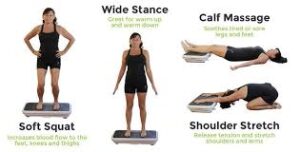
Can Beginners Over 60 Use a Vibration Plate?
A vibration plate can be included in a home fitness routine for some seniors.
Beginners may start with simple movements such as:
- Basic standing
- Calf raises
- Gentle weight shifts
- Mini squats
- Supported leg exercises
Start conservatively and follow the manufacturer’s instructions.
A vibration plate should complement, rather than replace, walking, strength training, balance exercises, and other physical activity.
If you have health conditions, significant balance problems, or a recent injury, consult a healthcare professional before using one.
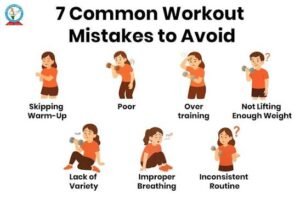
Common Exercise Mistakes Beginners Over 60 Should Avoid
Doing Too Much Too Soon
Start with short, manageable workouts.
Skipping Warm-Ups
Spend a few minutes preparing your body.
Using Poor Technique
Focus on controlled movements.
Only Doing Cardio
Include strength and balance exercises as well.
Ignoring Recovery
Allow your body enough time to recover.
Exercising Through Concerning Symptoms
Stop if you experience unusual pain, dizziness, chest discomfort, or feel unwell.
Comparing Yourself to Younger People
Your exercise program should be based on your current ability, not someone else’s.
How to Stay Motivated
Starting is often easier than staying consistent.
Try these strategies:
Set Small Goals
Instead of “I want to get fit,” try:
“I’ll walk for 10 minutes today.”
Exercise at the Same Time
Create a regular routine.
Listen to Music
Choose music you enjoy.
Exercise With a Friend
A workout partner can make exercise more enjoyable.
Track Progress
Record your:
- Walking time
- Repetitions
- Workout days
- Exercise improvements
Focus on How You Feel
Pay attention to improvements in everyday activities, such as getting out of a chair or walking around the house.
Safety Checklist for Beginners Over 60
Before each workout, ask:
☐ Is my exercise area clear?
☐ Am I wearing comfortable, supportive shoes?
☐ Do I have stable support nearby?
☐ Have I warmed up?
☐ Is the exercise appropriate for my fitness level?
☐ Am I using controlled movements?
☐ Am I taking breaks when necessary?
☐ Am I listening to my body?
This simple checklist can help make home workouts more organized and safer.
Frequently Asked Questions
Is it safe to start exercising after 60?
Many adults can safely become more active after 60, but the appropriate starting point depends on individual health and fitness. If you have health concerns or have been inactive for a long time, speak with a healthcare professional.
What is the best exercise for beginners over 60?
There isn’t one best exercise. Walking, sit-to-stands, wall push-ups, resistance exercises, balance activities, and mobility exercises can all be useful.
How often should a beginner over 60 exercise?
Start with manageable sessions several days per week and gradually increase. The general goal for adults 65 and older is at least 150 minutes of moderate aerobic activity per week, plus strength and balance activities.
Can seniors build muscle with low-impact exercise?
Yes. Bodyweight exercises, resistance bands, light weights, and other forms of resistance can challenge muscles without requiring high-impact movements.
Should seniors exercise every day?
Daily movement can be beneficial, but every day doesn’t need to be a challenging workout. Include lighter days and rest when needed.
Can I exercise at home after 60?
Absolutely. Walking, chair exercises, resistance bands, bodyweight exercises, and light weights can all be used at home.
Final Thoughts
Starting exercise after 60 doesn’t have to be complicated.
The best approach is to start slowly, choose exercises you can perform safely, and gradually increase the challenge.
Begin with simple activities such as walking, sit-to-stands, wall push-ups, calf raises, and mobility exercises. Then add strength and balance training as you become more comfortable.
You don’t need to complete a long or intense workout to make progress.
Start small. Stay consistent. Progress gradually.
With the right approach, exercise can become a regular part of your lifestyle and help you stay active, strong, and independent as you get older.