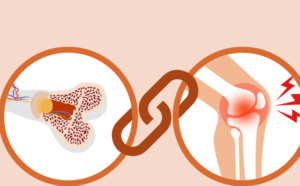

Yes, a vibration plate can make you sore, especially in your first few weeks. The fast vibrations make your muscles contract many times per second, so even a short session can work your legs, glutes and core harder than you expect. Mild soreness for a day or two is normal. Sharp pain, joint pain or soreness that lasts longer is a sign to change how you’re using the machine.
Why Do Vibration Plates Make You Sore?
1. Your muscles are working more than you think
Each vibration triggers a small muscle contraction. Over 10 minutes, that adds up to thousands of contractions.
2. You’re new to vibration training
Like any new exercise, your body needs time to adjust. This is called delayed onset muscle soreness (DOMS) and usually peaks 24–48 hours after exercise.
3. Speed or time is too high
Starting at a high setting or staying on too long is the most common cause of soreness.
4. Holding squats or static positions
Squatting on the plate adds load to your thighs and glutes, which increases muscle fatigue.
5. Poor posture or locked knees
Standing with straight, locked knees sends vibration up into your joints instead of letting your muscles absorb it.
Normal Soreness vs. Warning Signs
| Normal | Not Normal |
|---|---|
| Mild muscle tiredness in legs or glutes | Sharp or stabbing pain |
| Feels better in 1–3 days | Pain in knees, hips or lower back joints |
| Improves with light movement | Numbness, tingling or swelling |
| Gets less as you get used to it | Pain that gets worse each session |
If you notice warning signs, stop using the machine and talk to your doctor. Read more in Vibration Plate Hurting Your Joints? Tips to Use It Safely.
Why Do My Legs Itch or Feel Tingly After a Vibration Plate?
Many beginners feel itching or tingling in their legs. This is usually caused by increased blood flow to small blood vessels in the skin. It often fades after a few sessions. If tingling becomes numbness or lasts a long time, stop and check with a doctor.
How to Reduce Soreness
- Start low and short. Begin with 3–5 minutes at a low speed.
- Increase slowly. Add 1–2 minutes per week, not per day.
- Bend your knees. A soft knee protects your joints.
- Rest between sessions. Beginners should take a day off in between.
- Stretch afterward. Gentle stretching helps your muscles relax.
- Drink water. Hydration supports muscle recovery.
For session length guidelines, see How Long Should You Stand on a Vibration Plate?
Can a Vibration Plate Help With Soreness?
Interestingly, yes. While a hard session can cause soreness, a gentle session at low speed is often used to help muscles recover after other workouts. The key is intensity. Low speed and short time relax muscles. High speed and long holds challenge them.
Learn more in Should You Use a Vibration Plate Before or After a Workout?
When to See a Doctor
Talk to a healthcare provider if you have:
- Pain that lasts more than a week
- Joint swelling
- Numbness or loss of feeling
- A history of blood clots, recent surgery or joint replacement
Frequently Asked Questions
Is it normal to be sore after a vibration plate?
Yes, mild muscle soreness is normal for beginners and usually goes away within 1–3 days.
Why do my legs hurt after using a vibration plate?
Your leg muscles contract thousands of times during a session. Too much speed or time can make them sore.
Should I use a vibration plate if I’m still sore?
A short, low-speed session is usually fine. Avoid high intensity until the soreness fades.
How long does vibration plate soreness last?
Usually 24–72 hours.
Will the soreness go away over time?
Yes. As your body adapts, most people feel much less soreness after 2–3 weeks.
Final Thoughts
Feeling a little sore after a vibration plate means your muscles worked. Start slow, keep your knees soft and build up over time. If you’re a beginner, our guide Top Mistakes to Avoid When Using a Whole Body Vibration Machine will help you train safely from day one.