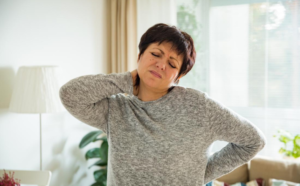

As we grow older, our body changes naturally. After the age of 50, muscles become weaker, joints feel stiffer, and recovery takes more time. Many seniors want to stay active, but high-impact exercises like running, jumping, or heavy gym workouts can cause pain or injury.
This is where low-impact exercise becomes very important. It allows seniors to stay active, healthy, and independent—without putting stress on the body.
What Is Low-Impact Exercise?
Low-impact exercise means movements that are gentle on the joints and do not involve sudden pressure, jumping, or hard landings.
Examples of low-impact exercise include:
- Gentle walking
- Stretching
- Balance exercises
- Chair exercises
- Light strength training
- Whole body vibration exercises
These exercises focus on movement, circulation, and stability, rather than speed or heavy effort.
Why Exercise After 50 Is Still Very Important
Many people think exercise is only for young people. This is not true.
After 50, regular movement helps:
- Maintain muscle strength
- Keep joints flexible
- Improve balance
- Support heart health
- Reduce stiffness and pain
- Improve mood and confidence
The key is choosing the right type of exercise—one that supports the body instead of stressing it.
Benefits of Low-Impact Exercise for Seniors
1. Protects Joints and Knees
High-impact workouts can damage knees, hips, and ankles—especially for seniors with arthritis or joint pain.
Low-impact exercise allows movement without shock or pressure, helping joints stay active and lubricated.
2. Improves Balance and Reduces Fall Risk
Falls are one of the biggest concerns for seniors. Gentle exercises that focus on balance and posture help:
- Strengthen stabilizing muscles
- Improve coordination
- Reduce the risk of slipping or falling
Even small daily movements can make a big difference.
3. Maintains Muscle Strength Without Heavy Weights
After 50, muscle loss happens naturally if the body is inactive.
Low-impact exercises help:
- Activate muscles safely
- Slow down muscle loss
- Maintain daily strength for activities like walking, standing, and climbing stairs
This helps seniors stay independent longer.
4. Supports Better Blood Circulation
Gentle movement improves blood flow throughout the body. Better circulation helps:
- Reduce swelling in legs and feet
- Keep muscles and tissues healthy
- Improve energy levels
This is especially helpful for seniors who sit for long hours.
5. Reduces Stiffness and Body Pain
Many seniors wake up with stiffness in the back, legs, or shoulders.
Low-impact exercise:
- Gently warms up the body
- Improves flexibility
- Reduces daily discomfort
Regular movement often leads to better sleep and less pain over time.
6. Safe for Seniors with Limited Mobility
Not all seniors can walk long distances or stand for long periods.
Low-impact exercise can be done:
- Slowly
- For short durations
- Even while sitting or holding support
This makes it suitable for seniors at all fitness levels.
Why Low-Impact Exercise Is Better Than No Exercise
Some seniors avoid exercise because they fear injury. But no movement at all can lead to:
- Weak muscles
- Poor balance
- Increased stiffness
- Faster loss of independence
Low-impact exercise offers a safe middle ground—keeping the body active without discomfort.
How Often Should Seniors Do Low-Impact Exercise?
For most seniors:
- 5–10 minutes per day is a good start
- Gradually increase as comfort improves
- Consistency is more important than intensity
Always listen to the body and stop if pain occurs.
Low-Impact Exercise Builds Confidence and Mental Well-Being
Exercise is not only for the body—it also helps the mind.
Regular gentle movement helps seniors:
- Feel more confident
- Reduce stress and anxiety
- Improve mood
- Feel more in control of their health
This emotional benefit is just as important as physical strength.
Final Thoughts
Low-impact exercise is one of the safest and smartest choices for seniors after 50. It helps maintain strength, balance, and mobility without putting pressure on joints or muscles.
The goal is not to exercise harder—but to move smarter.
With the right low-impact routine, seniors can stay active, comfortable, and independent for many years.